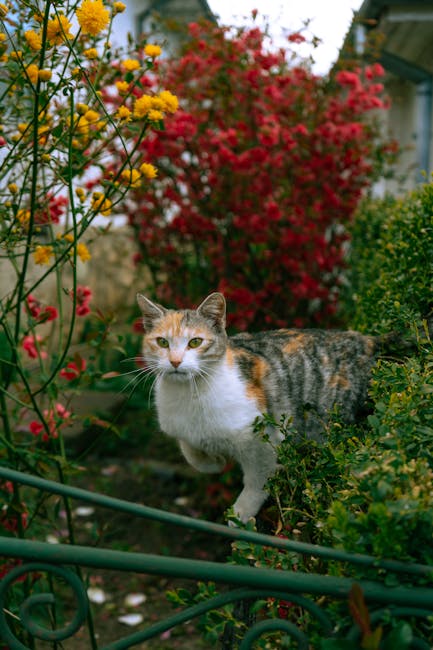
Imagine waking up to a beautiful morning, ready to admire the lush greenery of your garden, only to find your favorite plants have been uprooted or damaged by curious feline visitors. If you’re a garden enthusiast, you know that keeping your plants safe from neighborhood cats can feel like a never-ending battle.
But what if you could finally enjoy a cat-free garden without the stress? If you’ve been searching for effective ways to keep cats away from your garden plants, you’re in the right place. This guide will offer you simple, practical strategies to protect your garden and ensure your plants thrive.
You’ll discover how easy it is to create a harmonious environment where your plants can flourish, free from the paws of unwanted visitors. Get ready to transform your garden into a haven of tranquility, where your plants remain untouched and your peace of mind is restored.
Understanding Cat Behavior
Deter curious cats from garden plants by using natural repellents like citrus peels or coffee grounds. Create barriers with chicken wire or use motion-activated sprinklers. These methods help in keeping your garden cat-free.
Understanding cat behavior is crucial for keeping them away from your garden plants. Cats are curious creatures. Their natural instincts often lead them to explore gardens. By understanding why they are drawn to these spaces, you can better protect your plants. This section delves into the reasons behind their attraction and their common habits in gardens.Why Cats Are Attracted To Gardens
Cats are drawn to gardens for several reasons. Gardens offer a playground full of interesting scents and textures. The soil is soft, perfect for digging and playing. Plants provide shade and hideouts. Birds and insects fluttering about pique a cat’s hunting instinct. Water sources can also attract cats, especially in hot weather.Common Cat Habits In Gardens
Cats exhibit specific behaviors in gardens. They often dig in the soil, searching for insects or just for fun. Scratching surfaces helps them sharpen their claws. They may also use gardens as a litter box. This behavior can harm plants and soil. Cats enjoy lounging in sunny spots, flattening your plants. Understanding these habits helps in creating strategies to deter them effectively.Natural Deterrents
Natural deterrents can help keep cats away from garden plants. Citrus peels, vinegar, and coffee grounds are effective solutions. These scents are unpleasant to cats, encouraging them to stay clear of your garden.
Natural deterrents can be a game-changer when it comes to keeping curious cats away from your garden plants. These methods not only help protect your garden but also do so in an eco-friendly way. Imagine enjoying the beauty of your garden without worrying about feline intruders. Let’s dive into some practical strategies you can use today.Using Scent-based Repellents
Cats have a keen sense of smell, and certain scents can be quite off-putting to them. Consider using citrus peels, such as lemon or orange, scattered around your plants. Essential oils like lavender, peppermint, or eucalyptus can also work wonders. Simply soak cotton balls in these oils and place them strategically around the garden. Have you ever noticed how cats avoid areas where strong vinegar scents linger? A simple spray bottle with a mix of water and vinegar can act as a natural barrier.Plants Cats Dislike
Some plants naturally repel cats due to their smell or texture. Coleus canina, often referred to as the “scaredy-cat plant,” emits a pungent odor that cats detest. Rue and lavender can also deter cats while adding beauty to your garden. Planting these around your prized plants can be a creative and effective solution. Have you tried experimenting with thorny or spiky plants like holly or rose bushes? Their texture can discourage curious paws from venturing too close.Home Remedies For Cat Deterrence
Your kitchen might hold the key to solving your cat problem. Coffee grounds spread around the garden can deter cats while enriching the soil. Are you a fan of spicy foods? Cayenne pepper sprinkled lightly around plants can keep cats at bay without harming them. Consider using garlic cloves; their strong scent can repel cats effectively. Have you thought about using aluminum foil? Its crinkly texture can be unappealing to cats, making it a simple yet effective deterrent. By leveraging these natural deterrents, you can safeguard your garden from feline visitors. What will you try first?Physical Barriers
Installing chicken wire or garden fences can effectively keep cats away from plants. Covering soil with mulch or stones also deters them from digging. These physical barriers create a safe zone for your garden, reducing unwanted feline visits.
Ensuring your garden thrives without the interference of curious cats can be a challenge. Physical barriers are a practical solution that can help keep these furry visitors at bay while preserving the beauty and health of your plants. Let’s explore some effective strategies to create a feline-free zone in your garden.Fencing And Netting Solutions
Consider installing a cat-proof fence around your garden. A sturdy, tall fence can deter cats from leaping over and into your plant beds. Opt for materials like wire mesh or plastic fencing, which are not only durable but also difficult for cats to climb. Netting is another useful option. You can drape lightweight nets over specific plant areas to prevent cats from digging or lounging on your precious greenery. Ensure the netting is secure and taut, so cats can’t get underneath or push through. Additionally, think about the height and design of your fence or netting. Some cats are adept climbers, so adding an angled top may discourage them from attempting to scale it.Garden Layout And Design Tips
Strategic garden design can naturally deter cats. Create narrow pathways that make it difficult for cats to roam freely. Arrange plants in clusters and use raised beds, which can be less inviting for cats to invade. Including thorny or prickly plants around the perimeter can serve as a natural barrier. Plants like holly or rose bushes can make the garden less appealing to adventurous felines. Reflect on the placement of your plants and consider adding decorative elements that double as barriers, such as large rocks or sculptures. These can obstruct a cat’s path while adding visual interest to your garden. Have you ever noticed how certain garden layouts can influence animal behavior? By carefully planning your garden’s layout, you not only enhance its aesthetics but also promote a peaceful coexistence with nature.
Credit: www.amazon.sa
Ultrasonic And Electronic Devices
Gardeners often face the challenge of keeping cats away from plants. Ultrasonic and electronic devices offer a modern solution. These gadgets deter cats without harming them. They use sound and water to keep felines at bay. This approach is humane and effective. Let’s explore two popular options: ultrasonic devices and motion-activated sprinklers.
How Ultrasonic Devices Work
Ultrasonic devices emit high-frequency sounds. Cats find these sounds unpleasant. Humans cannot hear them. The sound creates an uncomfortable area for cats. They avoid places with these devices. Set them up in areas cats frequent. This keeps your garden cat-free.
Effectiveness Of Motion-activated Sprinklers
Motion-activated sprinklers detect movement. When a cat enters the area, the sprinkler activates. It sprays water towards the cat. This startles the cat, making it flee. Water is harmless and safe for plants. These sprinklers cover wide areas. They are perfect for large gardens.
Behavioral Training Techniques
Create a cat-free zone by using natural deterrents like citrus peels or vinegar sprays near plants. Consistent use of water sprays can gently discourage cats from entering the garden. Planting cat-repelling herbs such as lavender or rosemary can also help keep them at bay.
Training your cat to stay away from your garden plants might seem like a daunting task, but with the right behavioral techniques, it’s entirely achievable. Cats are intelligent creatures capable of learning boundaries, especially when guided with patience and understanding. By employing a combination of positive reinforcement and consistent training, you can create a harmonious environment where your plants and feline friends coexist peacefully.Positive Reinforcement Strategies
Cats respond well to rewards, making positive reinforcement a powerful tool in your training toolkit. Instead of punishing your cat for wandering into the garden, reward them for staying away. You could use treats, affection, or playtime as rewards. Consider setting up a designated play area with toys to divert their attention. When your cat chooses the play area over the garden, offer a treat or extra cuddles. This reinforces the behavior you want to see.Consistency In Training
Consistency is key in any training routine. If you occasionally allow your cat in the garden and other times discourage it, you send mixed signals. Make sure everyone in your household is on the same page about the rules. Establish clear boundaries and stick to them. Use visual cues like garden fences or plants that cats dislike, such as lavender or rosemary, to reinforce these boundaries. Over time, your cat will learn where they’re welcome and where they’re not. Have you tried these techniques and noticed improvements? Share your experiences and tips with fellow readers in the comments!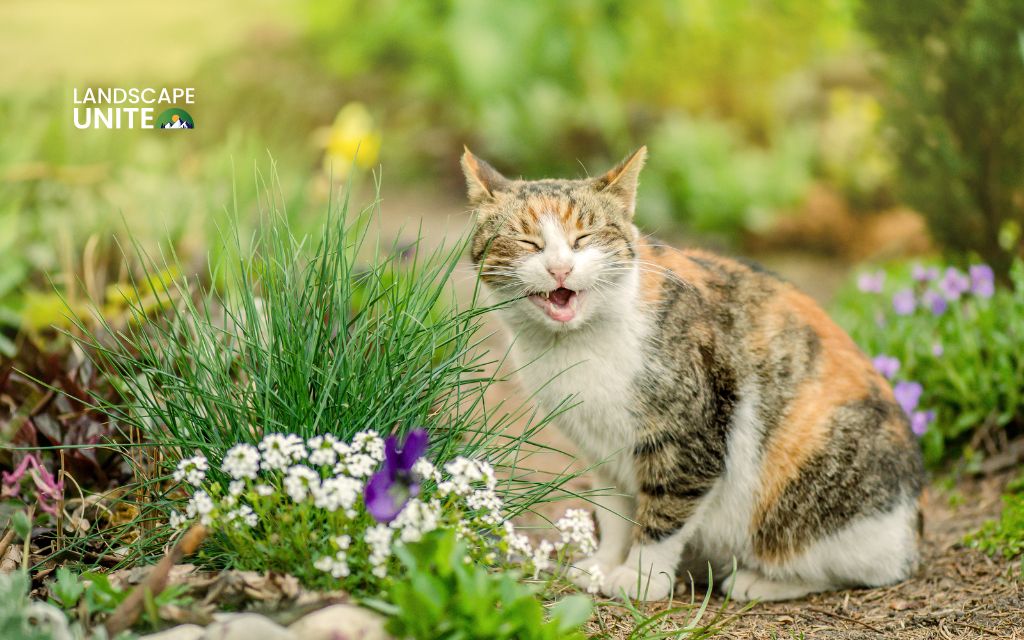
Credit: landscapeunite.com
Community Efforts And Solutions
Gardening can be a rewarding hobby, but it can also be challenging when neighborhood cats decide your garden is their playground. Luckily, community efforts offer practical solutions to keep your plants safe. By working together with your neighbors and leveraging local resources, you can create a harmonious environment for both your garden and the feline visitors.
Working With Neighbors
Consider having a chat with your neighbors about the cat problem. You might find they’re experiencing similar issues. Working together, you can share strategies that have worked and coordinate on preventive measures. Perhaps someone has discovered a particular plant that deters cats, or has a tip on using natural repellents effectively.
Creating a neighborhood plan can be an effective approach. You can set up a schedule for monitoring garden areas or even pool resources to purchase deterrents. Strengthening community ties through these efforts can lead to more innovative solutions and shared success stories.
Local Resources And Support
Explore local resources that may offer support in managing cats in gardens. Animal shelters or local wildlife organizations often have advice or programs aimed at reducing stray cat populations. They might offer workshops or provide materials to help you protect your plants.
Check if your community has a garden club or similar group. These organizations often have members with experience in dealing with garden pests, including cats. They can be a great source of information and might even have discount partnerships with stores for purchasing repellents or protective barriers.
Think about reaching out to local businesses for sponsorships or support. A business might be willing to donate materials or funds for community garden projects, especially if it helps improve the neighborhood’s aesthetic appeal.
Have you considered the role of community in keeping cats away from your garden? Engaging with neighbors and local resources not only addresses the problem but also strengthens community bonds. What innovative solutions might you discover through collaborative efforts?
Maintaining A Cat-friendly Zone
Create a cat-friendly zone by using natural repellents like citrus peels around garden plants. Place barriers, such as chicken wire, to protect delicate flowers. Consider planting cat-repelling herbs like lavender and rosemary to keep curious cats at bay.
Creating a garden paradise can be a delightful experience, but if you have cats in your neighborhood, you might find them a little too intrigued by your plants. While cats are lovable companions, they can be a gardener’s nemesis when they decide to explore and dig around your precious greens. One effective strategy to keep them at bay is by maintaining a cat-friendly zone that entices them to stay away from your garden beds.Designing A Safe Space For Cats
Designing a dedicated space for cats can be a win-win. Consider setting up a small area with cat-friendly plants like catnip and lemongrass. These plants will naturally draw their attention away from your garden plants. Add a few scratching posts or logs. Cats love to scratch, and providing these can save your garden furniture and plants from becoming their targets. Include a soft, sunny spot with some cozy bedding. Cats are sun-worshippers, and a warm place to nap might just keep them busy and away from your plants.Balancing Garden Aesthetics And Protection
Finding the right balance between garden beauty and plant protection doesn’t have to be tricky. Use decorative stones or mulch as barriers around your plants. These can deter cats from digging while adding an aesthetic touch to your garden. Consider installing small fences or trellises. They don’t have to be obtrusive but can serve as a physical reminder for cats to stay out. Try using citrus peels or coffee grounds around your plants. Cats generally dislike these scents, and they can add a subtle fragrance to your garden. Have you ever thought about creating a water feature? Not only can it enhance your garden’s ambiance, but many cats tend to avoid areas with water, keeping your plants safe. By thoughtfully designing your garden with these tips, you can create a harmonious space that respects both your plants and the curious nature of the feline explorers.
Credit: www.aol.com
Frequently Asked Questions
How Do I Stop Cats From Digging In My Garden?
To keep cats from digging, use physical barriers like chicken wire or garden netting. Alternatively, sprinkle citrus peels or coffee grounds around plants. These natural deterrents are effective. Motion-activated sprinklers can also scare away curious felines. Regularly refresh deterrents for best results.
What Smells Deter Cats From Garden Plants?
Cats dislike strong scents like citrus, lavender, and eucalyptus. Use essential oils of these scents to deter them. Mix a few drops with water and spray around your garden. Avoid spraying directly on plants. Regular application ensures effectiveness in keeping cats away.
Are There Plants That Repel Cats Naturally?
Yes, certain plants naturally repel cats. Plant lavender, rosemary, or pennyroyal in your garden. These plants emit scents that cats dislike. Additionally, they enhance your garden’s beauty and aroma. Consider planting these around the garden’s perimeter for maximum effectiveness.
Is Vinegar Effective In Keeping Cats Away?
Vinegar’s strong scent can deter cats from gardens. Mix equal parts vinegar and water, then spray around plants. Avoid direct contact with plant leaves. This natural solution is pet-safe and eco-friendly. Reapply regularly, especially after rain, for continued effectiveness.
Conclusion
Cats can be a challenge for garden lovers. But, keeping them away is possible. Use natural deterrents like citrus peels or coffee grounds. Consider plant barriers, such as chicken wire. Motion-activated sprinklers can scare cats off. Try planting cat-repellent plants like lavender.
Regularly check and maintain your garden defenses. Be patient and consistent with your efforts. Protect your plants without harming cats. Enjoy a beautiful, cat-free garden. Your plants will thank you. Keep experimenting with different methods. Find what works best for your garden.
Happy gardening!







