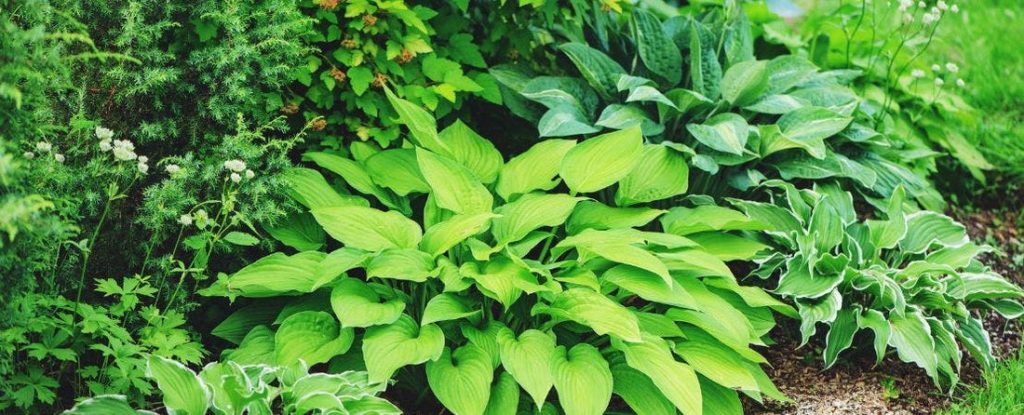
Imagine stepping into your garden and being greeted by lush, green foliage that transforms your outdoor space into a serene haven. Hostas, with their wide variety of textures and shades, are the perfect plants to achieve this vision.
But here’s the secret: the location you choose for planting your hostas can make all the difference in how they thrive and enhance your garden’s beauty. Are you wondering where exactly to plant hostas for the best results? You’re about to discover the tips and tricks that will ensure your hostas flourish and bring your garden to life.
Dive into this guide to uncover the best spots for your hostas and create the stunning garden you’ve always dreamed of.

Credit: www.familyhandyman.com
Ideal Garden Locations
Shaded areas with well-drained soil make ideal spots for planting hostas. These plants thrive under trees or along north-facing walls. Ensure they receive morning sun and afternoon shade for optimal growth.
Ideal Garden Locations Hostas thrive in specific garden spots. These locations enhance their growth and beauty. Let’s explore where to plant hostas for the best results.Shaded Areas
Hostas love the shade. They prefer cool, dim spots over direct sunlight. Too much sun can scorch their leaves. Choose areas shielded from harsh rays. This helps hostas maintain their vibrant colors.Under Trees
Trees provide natural shade. Hostas flourish under their canopy. The filtered sunlight is perfect for them. Ensure the tree roots don’t compete too much. This balance keeps hostas healthy and lush.North-facing Spots
North-facing areas receive less direct sun. This suits hostas perfectly. These spots stay cooler and more moist. Hostas can grow well without the risk of sunburn. Ideal for maintaining their lush appearance.
Credit: www.sunnysidenursery.net
Soil Requirements
Hostas are beloved for their lush foliage and ability to thrive in various garden settings. However, their success largely hinges on the quality of soil they are planted in. Understanding the specific soil requirements for hostas can significantly enhance their growth and vibrancy. Let’s dive into three crucial aspects of soil care that can make your hostas flourish.
Rich Organic Matter
Hostas crave rich organic matter, which provides essential nutrients and helps maintain soil structure. Mixing compost or well-rotted manure into the soil before planting can give your hostas the nutrient boost they need. As you prepare your garden bed, consider it like cooking a favorite recipe—adding the right ingredients leads to a delightful outcome. Have you thought about what organic matter can do for your soil’s texture?
Moisture Retention
These plants thrive in moisture-retentive soil, which ensures they remain hydrated during dry spells. Mulching around your hostas with wood chips or shredded leaves can help retain moisture effectively. Imagine your hostas sipping on a refreshing drink all summer long. What steps can you take to ensure they never go thirsty?
Proper Drainage
While hostas love moisture, they despise waterlogged roots. Ensuring proper drainage is crucial to prevent root rot. Consider planting them in raised beds or amending the soil with sand or perlite to improve drainage. Think of it like giving your plants a comfortable home with a well-functioning plumbing system. How can you ensure your hostas enjoy the right balance of moisture?
Climate Considerations
Planting hostas in your garden offers a lush, green landscape that is easy to maintain. However, understanding climate considerations is crucial for their growth and survival. Hostas thrive in specific conditions, and knowing your garden’s climate can make all the difference. Let’s delve into the key aspects of climate that affect where you should plant hostas.
Temperature Tolerance
Hostas are hardy plants that can withstand cold temperatures, but they flourish best in moderate climates. They prefer regions with a distinct cold period, which allows them to enter dormancy. Yet, extremely cold conditions can damage their roots. Do you live in an area with harsh winters? Consider mulching around your hostas to protect them.
On the flip side, hostas are not fans of scorching heat. In hotter climates, they may wilt or suffer from sunburn. If your garden faces intense sunlight, plant them in shaded areas or under trees. A personal tip: I once planted hostas in a sun-drenched spot, and they struggled until I relocated them to a cooler, shaded corner.
Humidity Levels
Humidity plays a significant role in hosta growth. These plants love moisture but detest overly wet conditions. High humidity levels can promote fungal diseases, which could affect your hostas. Ensure proper air circulation around the plants to combat this.
In dry climates, hostas might need a bit of extra care. Regular watering can help maintain their lush appearance. Use mulch to retain soil moisture and keep the roots cool. Have you noticed your hostas looking a bit droopy during dry spells? That’s their way of telling you they need a drink!
Companion Plants
Shady spots under trees or along north-facing walls offer ideal locations for planting hostas. These areas provide the cool, moist environment hostas thrive in. Pair them with ferns and astilbes for a lush, textured garden.
Companion plants can enhance the beauty of hostas in your garden. They create a harmonious landscape, offering contrasting textures and colors. Choosing the right companions can also improve the health of your hostas. Here are some excellent companion plants to consider.Ferns And Astilbes
Ferns bring a delicate, feathery texture to your garden. They thrive in the same shady conditions as hostas. Their fronds add height and elegance to the garden bed. Astilbes offer vibrant plume-like flowers. Their bright colors complement the lush greens of hostas. Together, they create a serene and inviting garden space.Coral Bells
Coral Bells, or Heucheras, are known for their colorful foliage. Their leaves come in shades of purple, silver, and green. This variety adds visual interest beside the hostas. They love the same moist, well-drained soil as hostas. Coral Bells also attract hummingbirds, adding life to your garden.Spring Bulbs
Spring Bulbs like daffodils and tulips bloom early in the season. Their bright flowers offer a splash of color before hostas fully emerge. As spring bulbs fade, hostas grow to cover their leaves. This natural succession keeps the garden lush and vibrant. Planting bulbs among hostas ensures a continuous display of beauty.Spacing And Arrangement
Hostas thrive in shaded areas, making them ideal for planting under trees or near north-facing walls. Arrange them with adequate spacing to allow for growth and airflow, enhancing their lush foliage and minimizing disease risks.
Creating the perfect garden space for your hostas involves more than just picking a spot in the shade. Spacing and arrangement are crucial to ensure your hostas thrive and add charm to your garden. Let’s delve into how you can effectively plan their placement for the best visual and growth impact.Distance Between Plants
Proper spacing is essential for healthy hosta growth. Typically, you’ll want to plant hostas about 1 to 4 feet apart, depending on their variety. Smaller hostas can be closer together, while larger varieties need more space to flourish. Crowding can lead to poor air circulation and increased susceptibility to diseases. Keep in mind that as hostas mature, they spread out, so allowing room for growth will pay off in lush, full plants. Consider using a measuring tape to get precise distances, ensuring each plant has enough breathing room.Layering Techniques
Layering your hostas can create a dynamic and textured garden. Try planting taller hosta varieties at the back of your garden beds and shorter ones in front. This not only maximizes sunlight exposure but also provides a beautiful backdrop for other plants. Consider mixing hostas with different leaf colors and textures to enhance the layering effect. If you have a sloped garden, stagger the plants in tiers for a cascading look. Have you thought about how this arrangement can add depth and dimension to your garden space?Creating Visual Interest
Hostas can be more than just green foliage in your garden. By strategically arranging them, you can create stunning visual interest. Think about alternating colors and leaf patterns to draw the eye and create focal points. Use hostas to frame pathways or create borders along garden edges. Their lush foliage can serve as a lovely contrast to flowering plants. Imagine walking through a garden path lined with variegated leaves and vibrant blooms—it’s a sight to behold! By considering these aspects of spacing and arrangement, you can transform your garden into a haven of greenery and tranquility. How will you arrange your hostas to make your garden truly unique?Common Planting Mistakes
Planting hostas in your garden can be rewarding. But, common mistakes can hinder their growth. Understanding these mistakes helps ensure your hostas thrive. Here are some frequent errors to avoid.
Too Much Sun Exposure
Hostas prefer shade. Direct sunlight can scorch their leaves. Choose a spot with dappled sunlight. Morning sun, followed by afternoon shade, is ideal. Too much sun can cause browning and wilting.
Inadequate Watering
Hostas need consistent moisture. Dry soil can stress the plants. Ensure the soil remains damp. But don’t overwater, as this can lead to root rot. Mulching can help retain soil moisture.
Overcrowding
Give your hostas space to grow. Planting them too close can limit air circulation. This can lead to diseases. Allow at least 18 inches between each plant. This space helps them flourish and prevents competition for nutrients.
Seasonal Maintenance
Hostas are a beloved choice for gardeners seeking lush, shade-loving foliage. Ensuring their health requires seasonal maintenance. This involves a few key steps to keep your hostas thriving year-round.
Fertilizing Schedule
Feed hostas in early spring. Use a balanced, slow-release fertilizer. Apply again mid-summer for optimal growth. Avoid fertilizing late in the season. This prevents tender growth before winter.
Pest And Disease Control
Watch for slugs and snails. They love hostas. Use organic slug bait to deter them. Inspect leaves for signs of disease. Remove and destroy infected foliage promptly. Keep garden debris cleared to reduce pest habitats.
Winter Protection
Prepare hostas for winter by mulching. Use a layer of organic mulch. Apply it after the first frost. This insulates roots and retains moisture. Remove mulch in spring to allow new growth.

Credit: frustratedgardener.com
Frequently Asked Questions
Where Is The Best Location To Plant Hostas?
Hostas thrive in shaded areas with well-draining soil. They prefer a spot with morning sun and afternoon shade. Avoid direct sunlight to prevent leaf burn. Ensure the soil is rich in organic matter for optimal growth. Good drainage is crucial to avoid root rot and keep hostas healthy.
Can Hostas Grow Under Trees?
Yes, hostas can grow under trees as they love shade. However, ensure they get some morning sun. Tree roots compete for nutrients, so add organic matter to the soil. Water hostas adequately, especially during dry periods, to support their growth in tree-shaded areas.
Do Hostas Need Sun Or Shade?
Hostas prefer shade but can tolerate some sun. Morning sun is ideal, while afternoon shade prevents leaf scorch. Too much sun can damage leaves, leading to wilting. Hostas enjoy cooler, shaded spots with rich, moist soil for the best growth and vibrant foliage.
What Type Of Soil Is Best For Hostas?
Hostas thrive in well-draining, rich soil. Soil rich in organic matter supports their growth. Ensure the soil is moist but not waterlogged to prevent root rot. Amend soil with compost to improve fertility and drainage, creating a perfect environment for healthy hostas.
Conclusion
Hostas thrive in well-chosen spots within the garden. Shady areas are ideal for them. Avoid direct sunlight to prevent leaf burn. Ensure soil is moist and rich. Space plants for healthy growth. Consider their mature size when planning. Hostas add beauty and texture to gardens.
Their lush leaves enhance any landscape. With proper placement, they flourish effortlessly. Enjoy their vibrant greens and stunning blooms. Remember to water regularly for best results. Hostas are a gardener’s delight. Their low-maintenance nature is appealing. Perfect for creating serene garden retreats.







