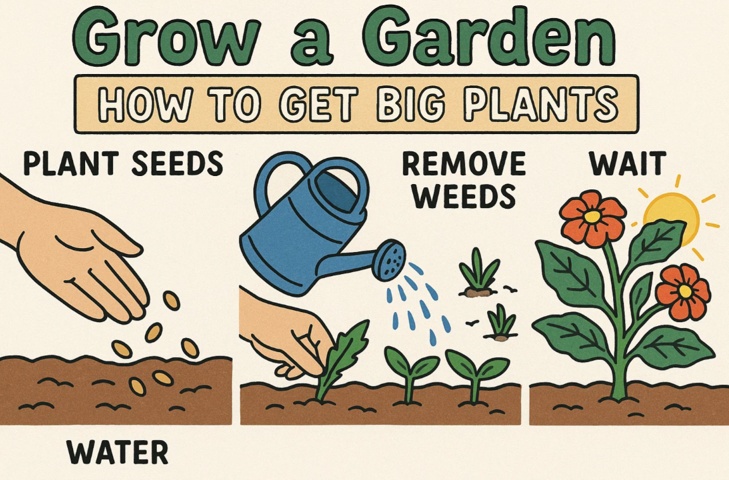
Imagine stepping into your garden and being greeted by lush, vibrant plants that seem to burst with life. The dream of cultivating bigger and healthier plants can be a reality, and you can achieve it with the right strategies.
Whether you’re a seasoned gardener or a beginner, learning how to maximize your plant growth can transform your gardening experience. You’ll discover simple yet powerful techniques to boost the size and health of your plants. This isn’t just about aesthetics; it’s about creating a thriving ecosystem right in your backyard.
Dive in, and unlock the secrets to nurturing a garden that flourishes beyond your expectations. Your plants are ready to grow bigger and better—are you ready to make it happen?
Soil Preparation
Proper soil preparation boosts plant growth in gardens. Remove weeds and rocks, then mix in organic compost. Ensure well-draining soil for stronger roots and healthier plants.
Preparing soil is crucial for growing bigger plants. Healthy soil supports plant roots and provides nutrients. Proper preparation enhances plant growth and resilience. Let’s explore key aspects to optimize soil for your garden.Choosing The Right Soil Type
Select soil based on plant needs. Sandy soil drains quickly but lacks nutrients. Clay soil holds moisture but can become compacted. Loamy soil balances drainage and nutrients, ideal for most plants. Test soil to understand its properties.Enhancing Soil Nutrients
Add organic matter like compost to enrich soil. It improves nutrient content and soil structure. Fertilizers can boost specific nutrients needed by plants. Choose natural options to avoid harming the environment. Regularly replenish nutrients for sustained growth.Ensuring Proper Drainage
Good drainage prevents root rot and waterlogging. Mix sand or perlite in heavy soil to improve drainage. Raised beds can enhance drainage in areas with poor soil. Ensure containers have holes to release excess water. Monitor soil moisture for optimal plant health.Optimal Planting Techniques
Planting depth is key for bigger plants. Ensure seeds are placed at the right depth for optimal growth. Proper spacing allows plants to access nutrients and sunlight efficiently. Regular watering and nutrient-rich soil further support robust plant development.
Optimal planting techniques can make a big difference in your garden. They help plants grow stronger and healthier. Using the right methods ensures your plants get the best start. It involves spacing, depth, and timing. Let’s explore these important aspects.Correct Plant Spacing
Proper spacing gives plants room to grow. Crowded plants compete for nutrients and sunlight. Space them based on their mature size. Larger plants need more space. Smaller plants can be closer together. Good spacing improves air circulation. This reduces disease risk and promotes healthy growth.Depth Considerations
Planting depth affects root development. Too shallow, and roots dry out. Too deep, and they struggle to access oxygen. Most seeds should be planted two to three times their size in depth. Bulbs have specific depth requirements. Follow the instructions on seed packets for best results.Timing Of Planting
Timing matters for plant success. Plant seeds in the right season. Some plants prefer warm weather. Others thrive in cooler conditions. Check your local climate zone. Plant at the recommended time for each species. Timing ensures plants receive suitable weather conditions for growth.Watering Strategies
Efficient watering is key to growing bigger plants in your garden. Focus on deep, infrequent watering to encourage strong root growth. Adjust watering based on plant type and weather conditions for optimal results.
Watering your garden properly is key to growing big, healthy plants. It’s not just about how much water you use. Timing, frequency, and method can make a big difference. With the right strategies, your plants will thrive. Let’s explore effective ways to water your garden.Watering Frequency
Determining how often to water is crucial. Most plants need consistent moisture. Watering once or twice a week usually suffices. During hot weather, you may need to water more. Check soil moisture to guide your schedule. Too much or too little can stunt growth.Best Time To Water
Watering in the morning is ideal. It helps plants absorb moisture before the sun is strong. Watering in the evening is also beneficial. It reduces evaporation loss. Avoid midday watering. The sun can cause quick evaporation. Timing affects how well plants use water.Signs Of Overwatering
Overwatering can harm plants. Yellow leaves often indicate too much water. Mushy stems are another sign. Check soil regularly. If it’s soggy, reduce watering. Aerate the soil to improve drainage. Proper water balance is essential for plant health.
Credit: www.sportskeeda.com
Nutrient Management
Proper nutrient management can boost plant growth in your garden. Balancing essential nutrients enhances root development and foliage. Regular soil testing helps identify deficiencies, ensuring optimal plant health and size.
Managing nutrients is key to having bigger, healthier plants in your garden. Plants need nutrients to grow, just like humans need food. Proper nutrient management ensures that plants get the right amount of nutrients. This helps them grow strong and produce bigger fruits and flowers.Choosing The Right Fertilizer
Selecting the right fertilizer is crucial for plant growth. Fertilizers provide essential nutrients that soil may lack. Check the labels for nitrogen, phosphorus, and potassium levels. These are the main nutrients plants need. Different plants require different nutrient levels. Tomatoes might need more phosphorus, while leafy greens need more nitrogen. Understanding your plant’s needs helps in choosing the best fertilizer.Natural Vs. Synthetic Options
Gardeners can choose between natural and synthetic fertilizers. Natural fertilizers come from organic sources like compost, manure, or bone meal. They improve soil structure and promote healthy microorganisms. Synthetic fertilizers are man-made and offer quick nutrient release. They are often cheaper and more readily available. Each option has its benefits and drawbacks. Consider your garden’s needs and your budget when choosing.Timing Of Fertilizer Application
Timing is critical in fertilizer application. Applying at the right time maximizes nutrient absorption. Most plants benefit from fertilization during their growing season. Early spring is great for most vegetables and flowers. Avoid fertilizing in extreme weather conditions. Too much rain can wash away nutrients, while heat can cause them to evaporate. Follow instructions on the fertilizer package for best results.Pruning And Trimming
Pruning and trimming help plants grow bigger by removing dead branches and encouraging new growth. These practices improve air circulation and light penetration, which strengthen plants and boost their size.
Pruning and trimming are vital for growing bigger plants in your garden. These practices help plants stay healthy and promote robust growth. By cutting away dead or overgrown branches, you allow more light and air to reach the plant. This not only enhances their appearance but also boosts their overall health. Let’s explore how these techniques can make a significant difference in your garden.Benefits Of Pruning
Pruning helps in removing dead or diseased branches. This prevents the spread of pests and diseases. It encourages new growth by stimulating dormant buds. Pruning also improves air circulation, reducing the risk of fungal infections. Well-pruned plants produce more flowers and fruits. It helps maintain the desired shape and size of your plants.Tools Needed
For effective pruning, you need the right tools. A pair of sharp pruning shears is essential for small branches. Loppers are useful for cutting thicker branches. A pruning saw is handy for very thick branches. Ensure your tools are clean and sharp. This prevents damage to plants and promotes clean cuts.When To Prune
Timing is crucial for successful pruning. Prune most plants during their dormant season. This usually means late winter or early spring. Avoid pruning during extreme temperatures. For flowering plants, prune after they bloom. Always check specific guidelines for different plant types. Proper timing ensures healthy regrowth and abundant flowering.
Credit: www.youtube.com
Pest And Disease Control
Effective pest and disease control ensures healthier plants. Healthy plants grow larger in a garden. Regular monitoring and natural treatments help maintain plant growth.
Growing a lush garden with bigger plants is a dream for many gardeners. However, pests and diseases can turn that dream into a nightmare. Tackling these issues effectively is crucial to ensure your plants thrive and reach their full potential. Let’s explore some essential strategies for pest and disease control in your garden.Identifying Common Pests
Recognizing the pests that frequent your garden is the first step in effective control. Aphids, caterpillars, and slugs are among the usual suspects. Regularly inspect your plants for signs of damage or the pests themselves. Look for holes in leaves, sticky residue, or unusual webbing. Are you aware of the tiny whiteflies that often go unnoticed? These can cause significant damage if left unchecked. Spotting these early can save you a lot of trouble.Natural Pest Control Methods
Embrace natural methods to keep pests at bay without harming the environment. Encourage beneficial insects like ladybugs and lacewings, which prey on harmful pests. Planting marigolds can help deter nematodes and other unwanted insects. Have you tried making a homemade garlic spray? It’s an excellent deterrent for many pests and is safe for your plants. Simply blend garlic with water and a dash of dish soap, then spray it on affected areas.Preventing Plant Diseases
Disease prevention starts with choosing disease-resistant plant varieties. Rotate crops to prevent soil-borne diseases from taking hold. Ensure proper spacing between plants to allow air circulation and prevent fungal infections. Did you know that overwatering is a common cause of root rot? Adjust your watering schedule to keep your plants healthy and thriving. Use mulch to help retain moisture and reduce the risk of water-related diseases. By focusing on these practical strategies, you can create a garden that not only looks beautiful but is also resilient against pests and diseases. Are your plants ready to grow bigger and healthier this season?Light And Temperature Considerations
Optimal light and temperature are key for growing bigger plants. Ensure your garden receives ample sunlight daily. Maintain a consistent temperature that suits your plant varieties to foster robust growth.
Growing bigger plants is a dream for many gardening enthusiasts, and one key factor to achieving this is understanding the role of light and temperature. These two elements are critical in ensuring your garden thrives with lush, expansive foliage. Let’s delve into how you can optimize light and temperature for maximum growth.Understanding Sunlight Needs
To grow bigger plants, sunlight is your best ally. Most plants require at least six hours of direct sunlight each day. But not all plants are sun worshippers. Some prefer partial shade, thriving in morning sun and afternoon shade. Be sure to check the sunlight needs specific to your plant species. Consider the placement of your garden. If sunlight is limited, use reflective surfaces like mirrors or aluminum foil to redirect light to shaded areas. This simple trick can make a noticeable difference in plant size and health.Managing Temperature Fluctuations
Temperature swings can stress plants, affecting growth. Keep an eye on the weather forecasts and adjust your garden care accordingly. If temperatures are expected to drop, cover your plants with a frost cloth or move potted plants indoors. On hot days, ensure your plants are well-watered. Watering in the early morning or late afternoon reduces evaporation, keeping the soil moist longer. This helps plants withstand higher temperatures without wilting.Using Grow Lights
Grow lights are a game changer for indoor gardening or areas with limited natural sunlight. These artificial lights mimic the sun’s rays, providing essential light energy for photosynthesis. Choose LED grow lights for energy efficiency and spectrum control. Position grow lights 12-18 inches above the plants, adjusting the height as they grow. Monitor plant growth closely; too much light can cause leaf burn, while too little can stunt development. Adjust the lighting duration and intensity based on plant feedback. Are you ready to see your garden flourish? Understanding and optimizing light and temperature conditions can significantly impact your plant growth. As you apply these insights, expect to marvel at the transformation in your garden.
Credit: www.youtube.com
Companion Planting
Pairing plants can enhance growth. Certain combinations improve nutrient uptake and deter pests. This method leads to healthier, larger plants.
Companion planting is a clever gardening strategy that involves growing different plants close together to enhance growth, deter pests, and maximize space. This age-old practice not only helps your garden thrive but also enriches the soil. By choosing the right plant neighbors, you can create a harmonious garden environment that leads to bigger and healthier plants.Plants That Thrive Together
Some plants seem to be made for each other. Tomatoes and basil are a classic duo; the basil helps repel pests that love tomatoes, while enhancing their flavor. Similarly, carrots and onions grow well side by side. The strong scent of onions can deter carrot flies. Have you tried planting marigolds with your veggies? They act as a natural pest deterrent, protecting your garden from unwanted visitors.Benefits Of Companion Planting
Companion planting can significantly boost your garden’s productivity. It enhances plant health by improving nutrient uptake and reducing competition. Furthermore, it naturally controls pests, minimizing the need for chemical pesticides. Isn’t it amazing how these simple plant pairings can make such a big difference in your garden’s success?Avoiding Harmful Combinations
Not all plants play well together. For instance, avoid planting beans near garlic or onions as they can stunt each other’s growth. Likewise, placing tomatoes near corn can attract common pests that plague both plants. Research and planning are key to avoiding these mismatches. Have you ever discovered a surprising plant combination that didn’t work in your garden?Regular Monitoring
Regular monitoring of your plants is essential to ensure they grow bigger and healthier. Just like nurturing a child, your plants need consistent attention and care. By keeping a close eye on their progress, you can quickly address any issues and adjust their care routine accordingly. Let’s dive into some practical ways you can monitor your plants effectively.
Tracking Plant Growth
Documenting the growth of your plants is more than just jotting down numbers. Consider maintaining a journal where you record their height, leaf count, and any visible changes. Take photos weekly to visually track their progress. This visual evidence can help you identify patterns and make informed decisions about their care.
Have you ever noticed how some plants suddenly shoot up in height? Understanding these growth spurts can help you cater to their needs better. Is your plant thriving or stalling? Regular growth tracking can answer these questions.
Identifying Stress Signals
Your plants communicate their stress in subtle ways. Yellowing leaves, droopy stems, or stunted growth are all signals your plant might be under stress. Understanding these signs can be a game-changer in preventing bigger issues.
Next time you see leaves with unusual spots or colors, ask yourself: is it a pest issue or perhaps a nutrient deficiency? By recognizing stress signals early, you can save your plant from irreversible damage.
Adjusting Care Routines
Once you’ve tracked growth and identified stress signals, it’s time to adjust your care routine. Maybe your plant needs more sunlight or water. Or perhaps a change in fertilizer is due. Tailor your care routine based on your observations.
Have you ever tried switching up your watering schedule only to see your plant flourish? Sometimes small tweaks can lead to significant improvements. Regular monitoring empowers you to make these adjustments confidently.
Remember, every plant is unique. What works for one might not work for another. Your garden is a living laboratory, so don’t be afraid to experiment and learn.
Seasonal Adjustments
Seasonal adjustments are crucial for nurturing bigger and healthier plants in your garden. Each season brings unique challenges and opportunities, and adapting your gardening practices accordingly can make all the difference. Whether it’s dealing with harsh weather or making the most of the growing season, understanding how to adjust can boost your plant growth significantly. Let’s explore how you can tweak your gardening strategies throughout the year.
Adapting To Weather Changes
Weather can be unpredictable, and your plants need your help to cope. Consider using shade cloths or windbreaks to protect delicate plants during extreme weather conditions. I once saved my tomatoes from a surprise hailstorm by quickly covering them with a tarp. Keep an eye on the forecast and be ready to act.
Also, adjust your watering schedule. During dry spells, plants might need more frequent watering. Conversely, during rainy periods, you might need to ensure proper drainage to prevent root rot. Regularly check the soil moisture to decide when to water.
Preparing For Winter
Winter can be tough on your garden, but with the right preparation, your plants can survive and thrive. Start by mulching around the base of your plants to insulate the roots. This simple step can protect them from freezing temperatures.
Consider moving potted plants indoors or to a sheltered area. If you’ve got perennials, cut them back and cover them with a layer of straw or leaves. This can safeguard them from frost and encourages a strong comeback in spring. How do you ensure your garden is winter-ready?
Maximizing Spring Growth
Spring is a time for growth, and your plants need all the nutrients they can get. Begin by enriching the soil with compost or a balanced fertilizer. This lays a solid foundation for your plants to thrive.
Another strategy is to start seeds indoors before transplanting them outside. I’ve found this approach gives my plants a head start, leading to bigger and more robust growth. As temperatures rise, gradually harden your plants by exposing them to outdoor conditions. Have you tried using cloches or cold frames to protect young seedlings?
By making these seasonal adjustments, you can optimize the conditions for your garden, ensuring your plants grow bigger and healthier throughout the year.
Frequently Asked Questions
How Can I Make My Plants Grow Bigger?
To make your plants grow bigger, ensure they receive adequate sunlight, water, and nutrients. Use high-quality soil and fertilizers to provide essential minerals. Regular pruning can promote growth by encouraging new shoots. Rotate plants for even sunlight exposure and monitor for pests that may hinder growth.
What Is The Best Soil For Bigger Plants?
The best soil for bigger plants is well-draining and rich in organic matter. Loamy soil, which combines sand, silt, and clay, offers excellent nutrient retention. Adding compost enhances soil fertility and moisture retention. Ensure the pH level is suitable for your plants, as different species have varying requirements.
How Often Should I Water My Garden Plants?
Water garden plants based on their specific needs, typically once or twice a week. Check soil moisture by inserting your finger 2 inches deep; water if it’s dry. Avoid overwatering, as it can lead to root rot. Adjust watering frequency during hotter months or for plants with higher water requirements.
Which Fertilizers Help Plants Grow Bigger?
Fertilizers rich in nitrogen, phosphorus, and potassium help plants grow bigger. Use balanced fertilizers or specific formulations based on plant type. Organic options like compost or fish emulsion enrich soil naturally. Follow label instructions to avoid over-fertilization, which can harm plants instead of promoting growth.
Conclusion
Growing bigger plants is all about balance and care. Water regularly, but don’t drown them. Sunlight is their food; give them enough. Nutrients boost growth; choose the right ones. Space matters, so avoid crowding. Monitor pests and diseases closely. Healthy plants grow bigger and stronger.
Patience and attention yield results. Gardening is a rewarding journey. Watch your plants flourish with love and effort. Celebrate the beauty of your garden. Enjoy the fruits of your labor. Gardening connects you with nature. Feel proud of your green achievements.
Your garden is a reflection of your dedication. Keep nurturing your plants.







